

When Is the Best Time to Travel to Vietnam?
(Season by Season Guide)
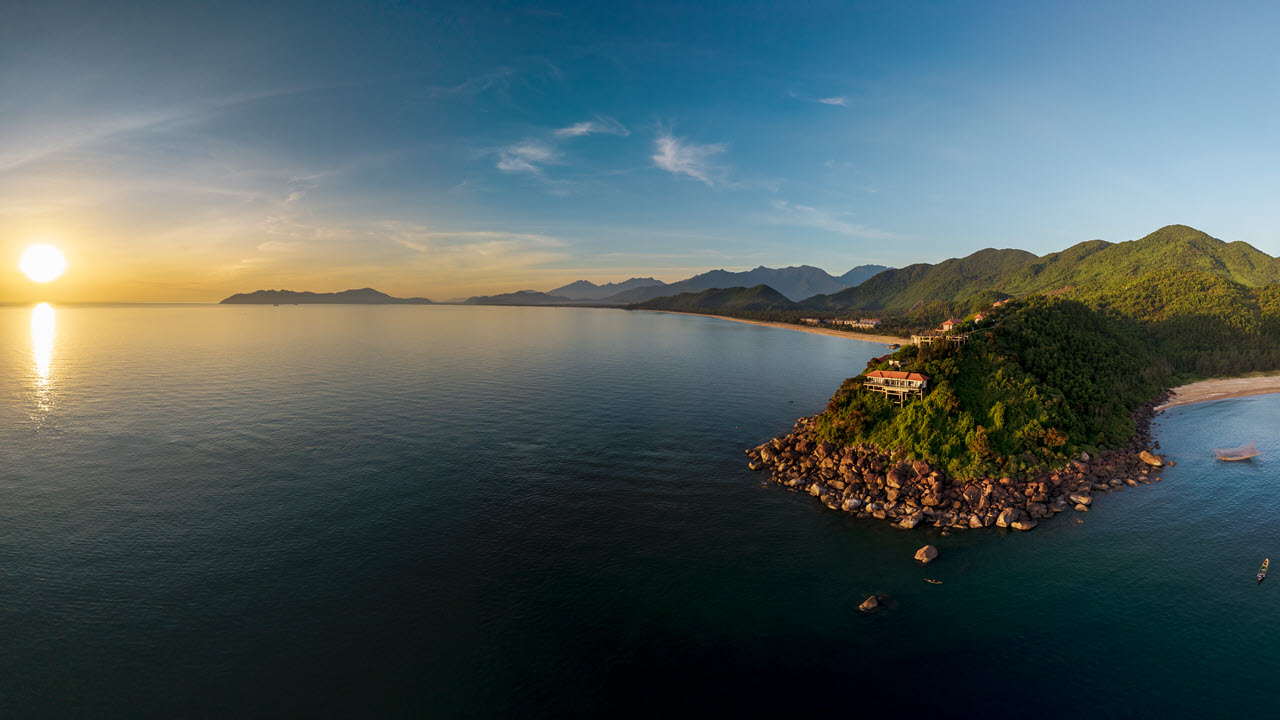
Vietnam rewards travellers in every season, though not always in the same way. Seasons unfold differently across the country, from the misty atmosphere through Hanoi’s old quarters to warm days around the central region. The country’s weather shifts dramatically along the coast, making timing an important part of the journey.
November to April is regarded as the best time to visit Vietnam for multi-region travel, yet some of Vietnam’s most cherished moments are made outside peak season. From regional weather patterns to a month-by-month overview, this guide explores Vietnam travel seasons in a way that helps shape the journey around your preferences.
Vietnam by Region — Three Different Seasonal Calendars
Best Time to Visit Northern Vietnam
Northern Vietnam embraces a diverse seasonal pattern, as the region is blessed with a climate that transforms drastically over the year.
October to April is hailed as the best time to visit Northern Vietnam, when cooler temperatures and lower humidity create the perfect setting to explore Hanoi, Ninh Binh, and the mountain towns further north. Clearer skies and warmer days arrive towards March and April, signalling the beginning of trekking season in Sapa.
Between May and September, the north enters its classic summer atmosphere. Hot and humid weather brings along rainfall, which occasionally disrupts cruises around the iconic Ha Long Bay. For the adventurous souls, be mindful of the slippery mountain trails while climbing up to the mist-covered peaks during these summer months.
Travellers visiting around Tet in January or February will find the region at its most festive, though domestic travel peaks quickly and many local businesses close for up to a week. Check out the Tet holidays in Vietnam guide
Best Time to Visit Central Vietnam — Da Nang, Hoi An, Hue, Nha Trang
Central Vietnam's weather tends to follow its own natural cadence. During the rainfall season in the north and south, Central Vietnam enjoys dry and pleasant days between February and August. This is the best time to visit Da Nang and nearby coastal destinations.
The months between February and April showcase the region at its most alluring. Temperatures remain at around 20-28°C, humidity stays lower, and both beach towns and heritage sites become more accessible. During March, gentle spring light settles over Hue’s Imperial City, while calmer seas appear against a backdrop of rosy sunset along Da Nang and Hoi An’s coastline - stunning scenes that grant this period its title as the photography season.
From May to August, the central coast welcomes travellers to enjoy its gorgeous beaches. Temperatures rise up to 30-35°C, making days hotter and brighter - inviting exciting activities on the golden sand. The sea also remains warm and comfortable, complementing long beach days with refreshing swims, making it the best time to visit Hoi An’s underrated beaches.
September to January is when the region eases into a calmer pace. Expect more frequent rainfall, cooler weather, and mist-covered mountain scenery - a subtle contrast to its peak months. To fully revel in this distinct ambience, stay at Angsana Lang Co - a refined Lang Co beach resort at the intersection between Da Nang, Hue, and Hoi An.
Best Time to Visit Southern Vietnam — Ho Chi Minh City, Mekong Delta, Phu Quoc
The best time to visit Ho Chi Minh City falls between November and April, when minimal humidity and clearer skies set the scene for exploration around the south. The Mekong Delta area welcomes bright mornings, aligning with the island energy of Phu Quoc.
From May to October, southern Vietnam adopts a softer presence, where each moment is made more special by tropical rain. Though this window is typical for Vietnam rainy season, showers tend to sweep through quickly, cooling the air before sunlight returns across the city streets and riverbanks. Rich greenery begins to flourish throughout the region, accompanied by a calmer atmosphere that suits slower journeys.
For those seeking a serene coastal escape, the best time to visit Phu Quoc Island is between November and April, when the waters turn more tranquil, and the warm sunlight fills the days. Enjoy swimming, island-hopping, and outdoor leisure before the seas get rougher from June until September.
Vietnam Through the Seasons
January-March
-
North: Northern Vietnam welcomes a new year beneath cloud-draped skies. The peaceful ambience moves along until late February, gracing the capital with crisp mornings and lingering mist across Ha Long Bay.
For those with a passion for trekking, the routes in Sapa and Ha Giang remain too cold during this window, albeit with the breathtaking mountain landscapes. March is when spring begins to reveal itself, drawing travellers towards adventures across dazzling rice terraces and highland villages.
-
Central: January marks the gradual shift between seasons in central Vietnam. By February, travellers can freely discover heritage sites around Da Nang, Hoi An, and Hue without unexpected showers.
That said, the main event starts in March, the golden month, where warm sunlight, soothing seas, and soft light harmonise. From the convenient base at Angsana Lang Co, Hue’s imperial soul or Hoi An’s lantern-lined streets are just around the corner.
-
South: Sunshine never leaves southern Vietnam. January and February sit within Vietnam dry season, so rainfall is minimal across Ho Chi Minh City, the Mekong Delta, and Phu Quoc. The region comes alive for Tet during this period before calming down to a slow-paced tropical rhythm during March.
April-May
April and May are when all regions share similar weather, making it one of the most reliable periods for travelling across Vietnam if you are a sunseeker. Days remain bright and warm before peak summer conditions arrive, making way for coastal stays and cultural exploration.
Beaches in central Vietnam are more placid than the ones in the south, whereas the north tends to be hotter and wetter. The nationwide climate introduces an ideal way to have a getaway in the tropics, especially for those who fancy seaside leisure.
June-August
Summer is in full swing between June and August across Vietnam. From pleasant sea breezes in Da Nang, Hoi An, Lang Co, and Nha Trang to rejuvenating tropical rain in the south, this long stretch of coastline becomes more lively than ever. In the north, humidity rises significantly, with heavier rainfall over mountain peaks, creating a more atmospheric rhythm in this area.
September-October
- North: With autumn comes fresher air and milder temperatures across Hanoi and Ha Long Bay - the perfect pairing for trekking, hiking, and other outdoor excursions. Make sure to pay a visit to Sapa and Mu Cang Chai to bask in the sight of golden rice fields during the harvest season.
- Central: The coast turns more tranquil as mist and cool air begin to settle over Hue, Lang Co, and Hoi An. This is the region’s rainy season, so expect showers throughout October.
- South: Rainfall gradually eases as the south begins transitioning towards its dry season once again.
November-December
- North: These are the most rewarding months to visit Hanoi and nearby destinations, thanks to the balmy atmosphere that supports long explorations.
- Central: These months reveal central Vietnam’s calmest environment. Cooler coastal weather, fewer crowds, and slower days lend themselves well to spa rituals, heritage discovery, and unhurried stays in this region.
- South: Dry season returns across the south, bringing sunnier skies to Ho Chi Minh City, the Mekong Delta, and Phu Quoc. December is the most ideal time for beach activities, as the temperatures stay below 30°C, particularly along the island’s western coast.
Is Vietnam Worth Visiting in the Rainy Season?
Vietnam is definitely worth visiting during the rainy season with the right expectations. The country slips into a more gentle version, where slow travel takes centre stage.
In the south, rain often arrives in short afternoon bursts before clear skies return, while lower visitor numbers and greener landscapes create a quieter ambience that encourages nature-led leisure.
Central Vietnam sees heavier rainfall between October and November. While less suited for beach-focused trips, this season aligns naturally with indulging resort stays, spa rituals, and cultural journeys through Hue and Hoi An.
Timing Your Trip Around Vietnam's Festivals
- Tet (Jan/Feb): Vietnam’s most important celebration occurs during January to February, when the country becomes festive and atmospheric. Since this is a popular period, make sure to plan transport and accommodation well in advance.
- Hue Festival (biennial, even years): A major cultural event centred around imperial ceremonies, traditional performances, and street celebrations throughout Hue. The upcoming Hue Festival 2026 promises engaging activities for attendees.
- Hoi An Lantern Festival (monthly, full moon): Held every lunar month, when lanterns illuminate the Old Town after sunset. Best experienced with an overnight stay.
- Mid-Autumn Festival (Sept/Oct): Celebrated with lantern displays, lion dances, and evening festivities, especially throughout Hue and Hoi An.
Where to Base Yourself in Central Vietnam
Most are drawn to Da Nang or Hoi An as their starting point, yet there is an understated destination that sits quietly between both cities and Hue - Lang Co
For travellers wondering when to visit Lang Co, the quieter coastal town offers a more tranquil alternative that remains well connected to Central Vietnam’s cultural landmarks and coastline while feeling pleasantly removed from the bustle. Enjoy the pristine waters in the dry season or immerse yourself in spa rituals and cultural workshops during the rainy season - all is possible within the elegant living space of Angsana Lang Co. Just 45 minutes from Hue, this all-inclusive resort also provides easy access to Hue’s most iconic heritage sites via convenient day trips from Lang Co.
FAQ
Q: What is the best time of year to travel to Vietnam?
November to April is the most comfortable period for travelling across multiple regions. For Central Vietnam specifically, the dry season runs from February to August.
Q: When is the best time to visit Da Nang?
February to August offer the most ideal weather, though March to May bring the most balanced temperatures and lighter crowds.
Q: When is the best time to visit Phu Quoc Island?
November to April is ideal for calmer seas, sunnier weather, and clearer beach conditions across the island.
Q: When is the best time to visit Lang Co?
February to August suits beach-focused stays, while September to January offers cooler weather and a quieter atmosphere near Hue and Hoi An.