Day of the Dead in Mexico
How to Experience Hanal Pixán in Yucatán
The Day of the Dead festival in Mexico honours departed loved ones through memory, ritual, and food. In Yucatán, this tradition takes the deeply personal form of Hanal Pixán, or “food for the souls”. Between 31 October and 2 November, candlelit altars, family recipes, and Mérida’s Paseo de las Ánimas bring its meaning into view.
This guide explores these customs, the preparation of mucbipollo, and how Hacienda Xcanatun offers a thoughtful sanctuary for experiencing the season respectfully.
Why Is Hanal Pixán So Meaningful?
Yucatán adopts a more reflective ambience during Hanal Pixán. As a deeply local expression of the festival of the dead in Mexico, this tradition is distinguished by Mayan rites and the meaningful idea of “food for the souls.” The sacred bond between families and departed loved ones is present and honoured through rituals that have been observed for centuries.
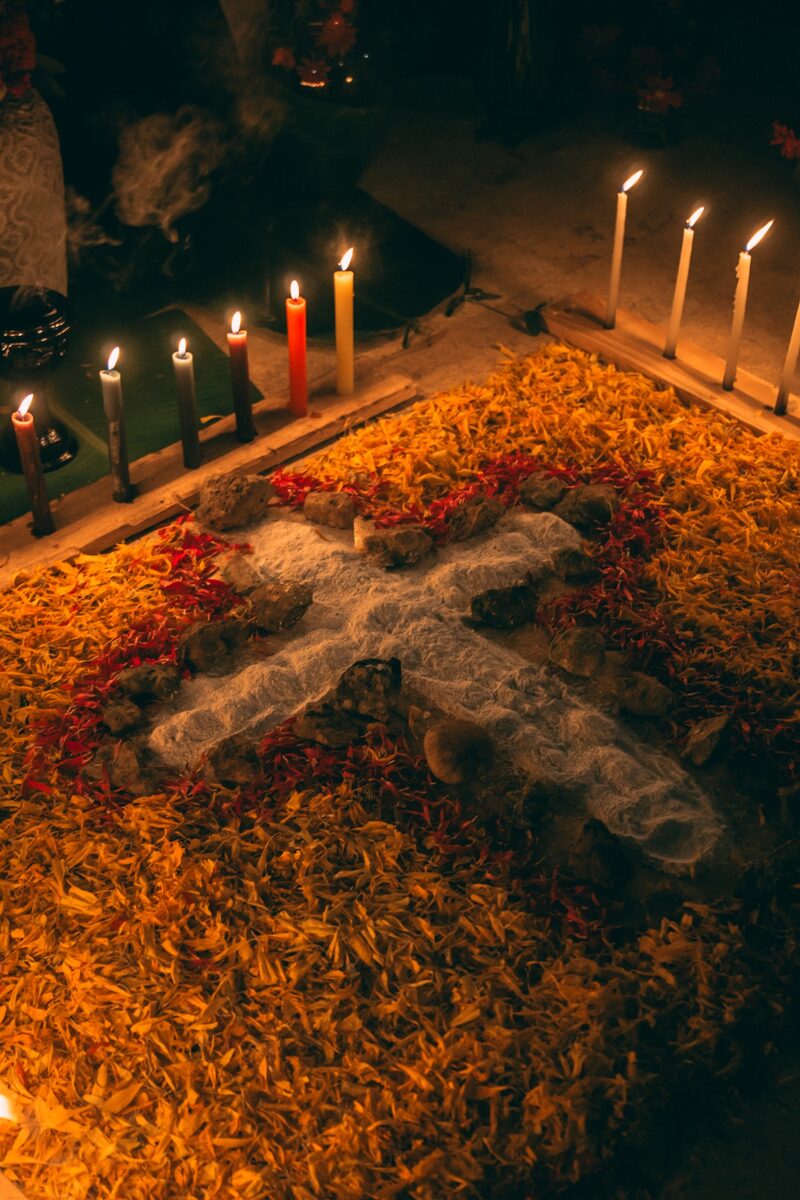
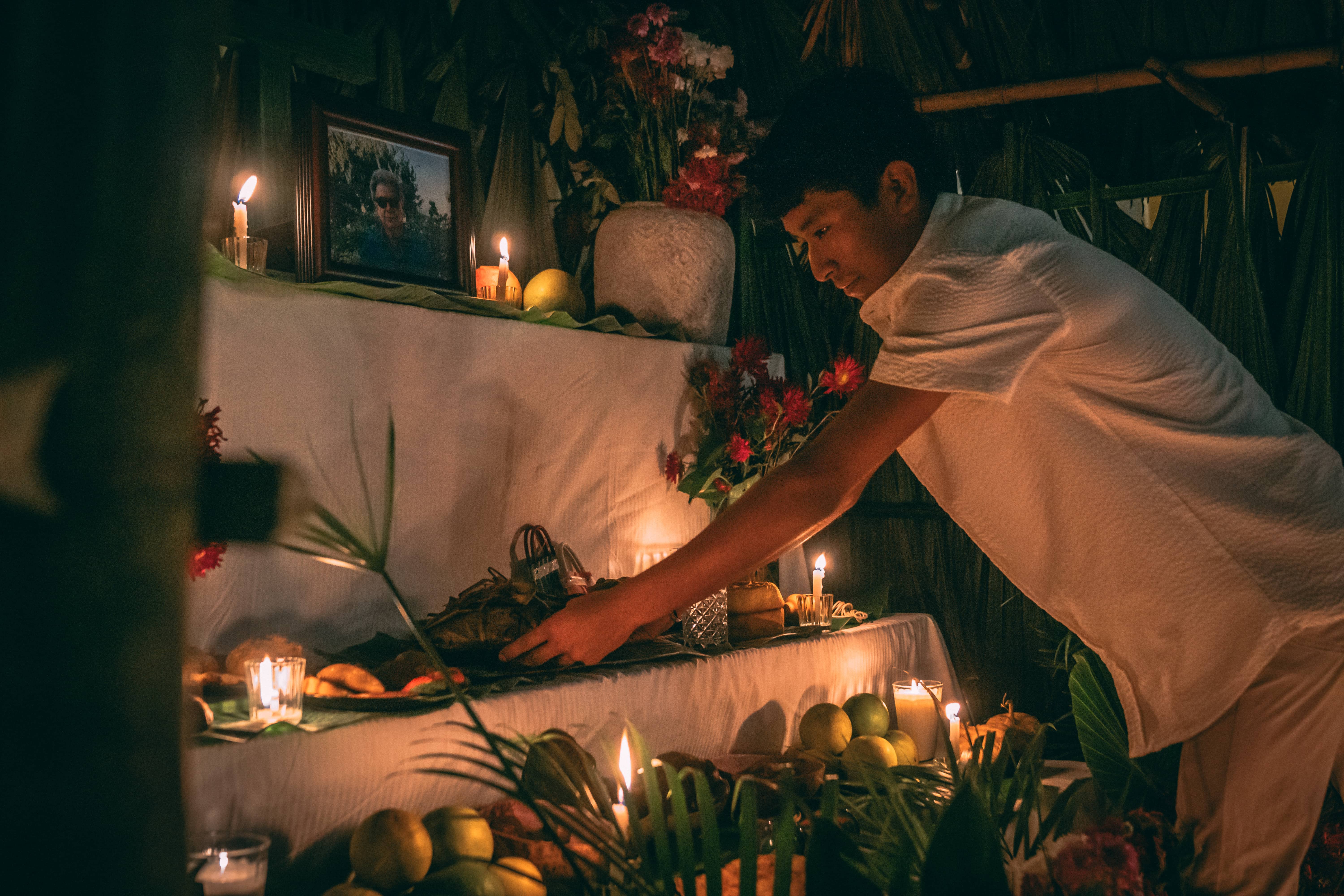
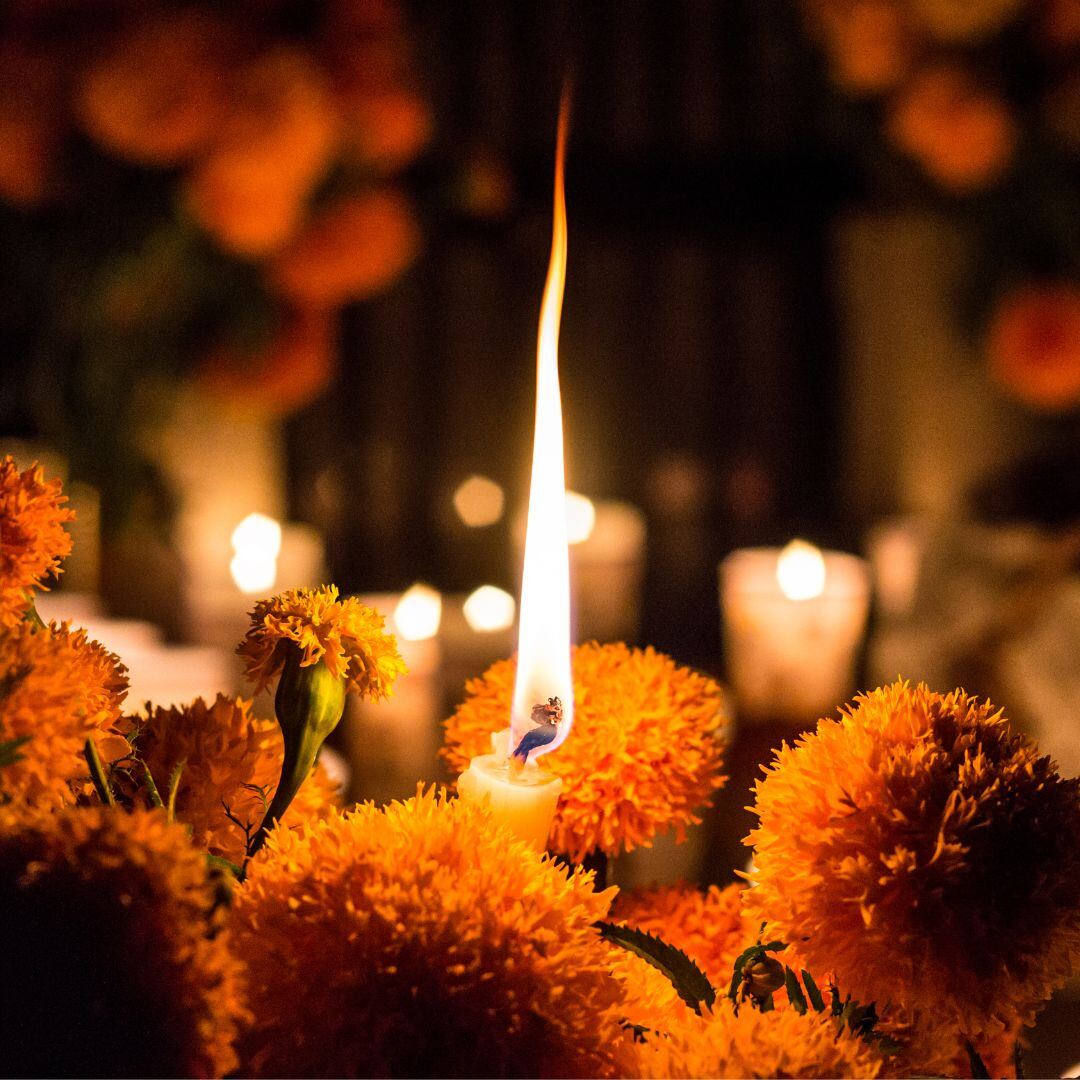
As evening settles, candles glow beside photographs, marigolds, and favourite dishes, while incense instils a quiet sense of contemplation. Each offering embraces a memory, and every altar becomes a sincere invitation for the soul to return. Far removed from spectacle, the observance centres on spiritual reunion, gratitude, and respect. Hacienda Xcanatun’s guide to Mexico’s celebrations and national holidays reveals more about this rich cultural calendar.
What Makes Yucatán’s Dead Festival Unique?
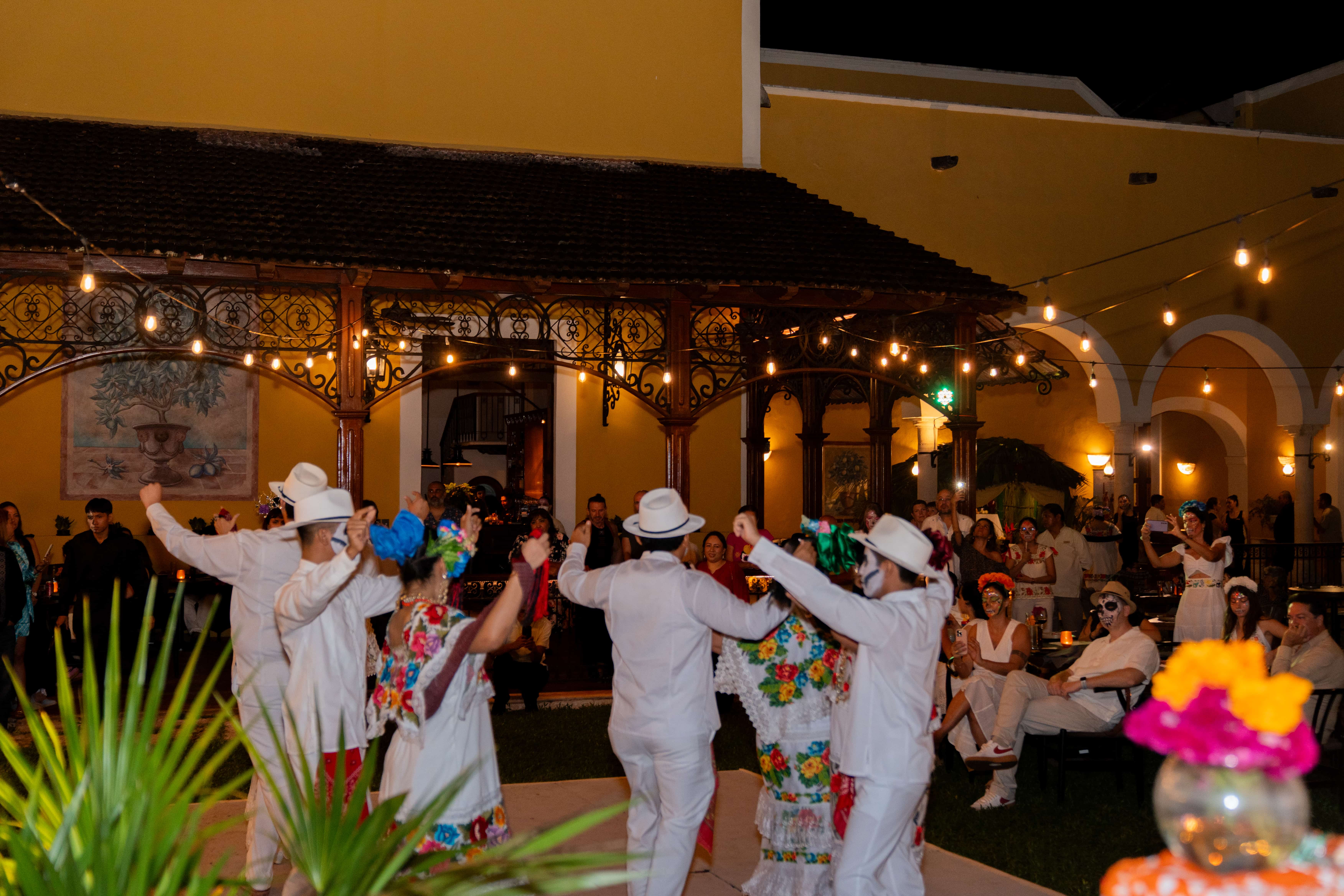
Across Mexico, Day of the Dead is expressed through different regional traditions, but Hanal Pixán carries a strong sense of place. Meaning “food for the souls” in Yucatec Maya, the tradition connects remembrance with family tables and the peninsula’s culinary heritage. Its intimate rites grace this Mexican dead festival with a character rooted in Yucatecan traditions.
Three Sacred Days of Remembrance
Hanal Pixán is a three-day festival for the dead in Mexico, with each date dedicated to different souls:
- 31 October: Children who have passed away are remembered with offerings chosen especially for them, usually sweets, toys, and fresh flowers.
- 1 November: Families honour deceased adults through prayer and their favourite foods, cigarettes, and alcoholic beverages.
- 2 November: All souls are commemorated, often through Mass, cemetery visits, and shared remembrance.
Altars That Welcome the Souls Home
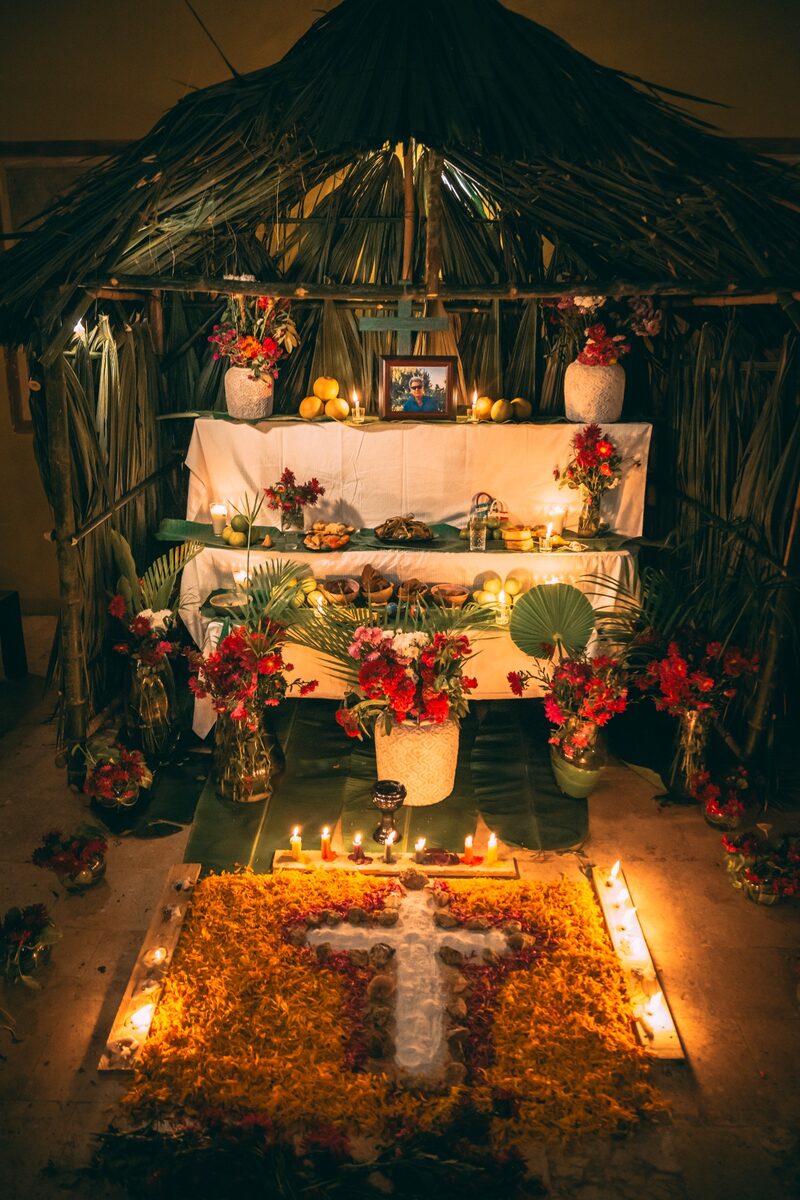
An altar is prepared as a place of welcome rather than decoration. Every element serves a purpose to guide the souls home. Photographs preserve the identity of the departed, candles light the paths, and water refreshes them after the spiritual journey. Flowers, incense, and carefully prepared dishes complete each offering.
These customs sit within a rich calendar of local festivals in Yucatán, closely guarded by families and passed through generations.
Why Is Mucbipollo the Culinary Soul of Hanal Pixán?
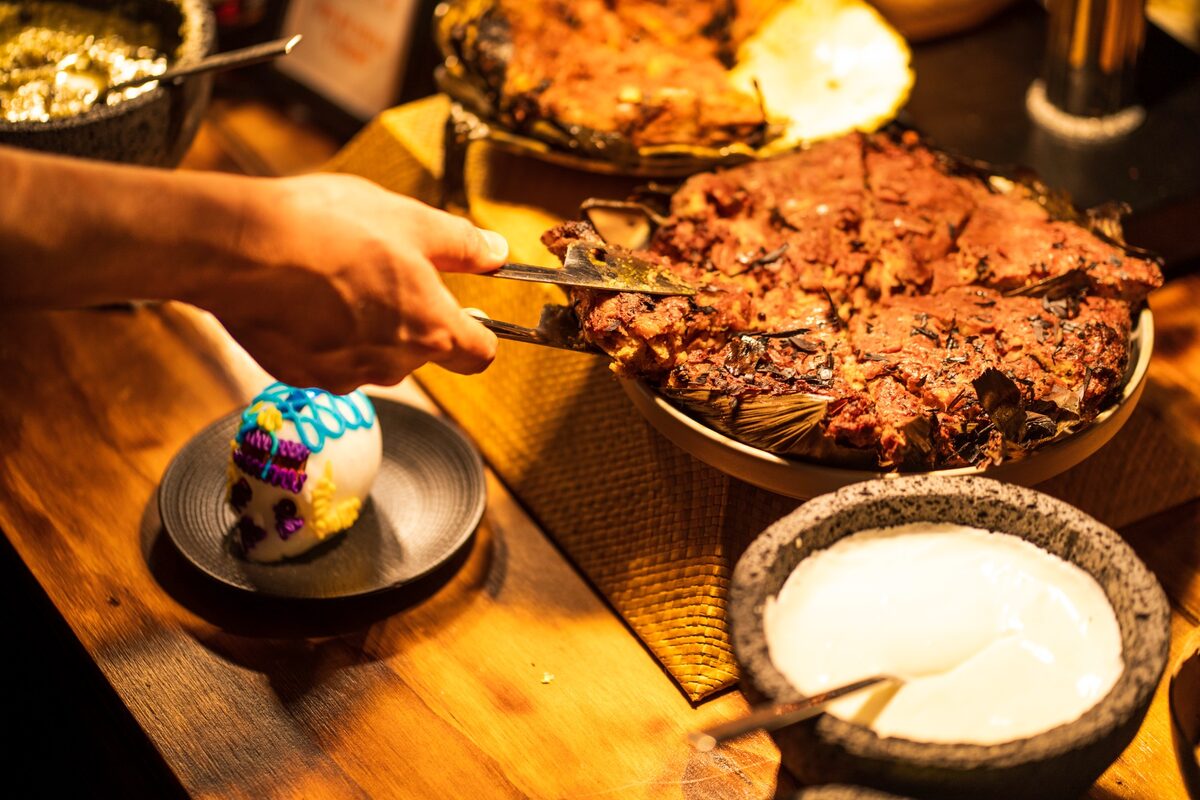
Mucbipollo, also known as mukbilpollo or pib, holds a cherished place at the Hanal Pixán table. It is crowned as the centrepiece offering, created with traditional ingredients and methods. Corn masa is enriched with achiote-infused lard and stuffed with chicken or pork, tomato, onion, and epazote. Everything is bound by k’óol - a velvety broth thickened with masa. The tamal is wrapped in banana leaves and traditionally cooked in a píib, an underground oven heated with firewood and stones. Once opened, its crisp outer crust is balanced by a warm, richly seasoned centre.
Flavour only tells a part of its story. Families prepare the dish together, guided by techniques passed through generations - a communal spirit echoed throughout the cultural experiences at Hacienda Xcanatun. The first pib is placed on the altar before anyone eats to pay respect to the deceased. Some believe it is the one food returning souls can carry back to the underworld.
To share it during Hanal Pixán is to understand how cuisine becomes an act of welcome and remembrance within this Yucatecan festival for the dead in Mexico.
How to Experience Day of the Dead Festivities in Mexico Respectfully
Taking part in the Day of the Dead festivities in Mexico leaves you with lasting memories, especially when their sacred meaning is understood. Respect connects visitors with the family devotion and regional customs at the heart of Mexico’s festival of the dead.
- Choose public celebrations: Mérida’s candlelit Paseo de las Ánimas warmly welcomes visitors. Arrive early, follow local rules, and keep the procession route clear.
- Ask before taking photographs: Seek permission before capturing people, family altars, or graves. Keep flashes and intrusive equipment away from ceremonies.
- Treat offerings as sacred: Never touch or take food, drinks, or objects from an altar unless they are explicitly offered.
- Make room for quiet rituals: Stand back and speak quietly during prayers and family conversations.
- Approach cemeteries thoughtfully: These remain places of personal remembrance, even during public celebrations. A knowledgeable local guide can provide valuable context.
A Season of Remembrance Across Banyan Group Mexico
Hanal Pixán leaves a deeper understanding: remembrance lives on through food, family, and place. A stay at Hacienda Xcanatun, Angsana Heritage Collection showcases the essence of Yucatán’s traditions while preserving privacy.
The journey through Mexico does not end here. Wander alongside the Mayan landscapes with a stay at Banyan Tree Mayakoba, immerse yourself in Puebla’s historic streets at Banyan Tree Puebla, unwind amidst the vineyards surrounding Banyan Tree Veya Valle de Guadalupe, or retreat above the Pacific coastline at Banyan Tree Cabo Marqués. Each stay captures a different character of the country, with local heritage remaining at its heart.