
.png)
Kao Yuk
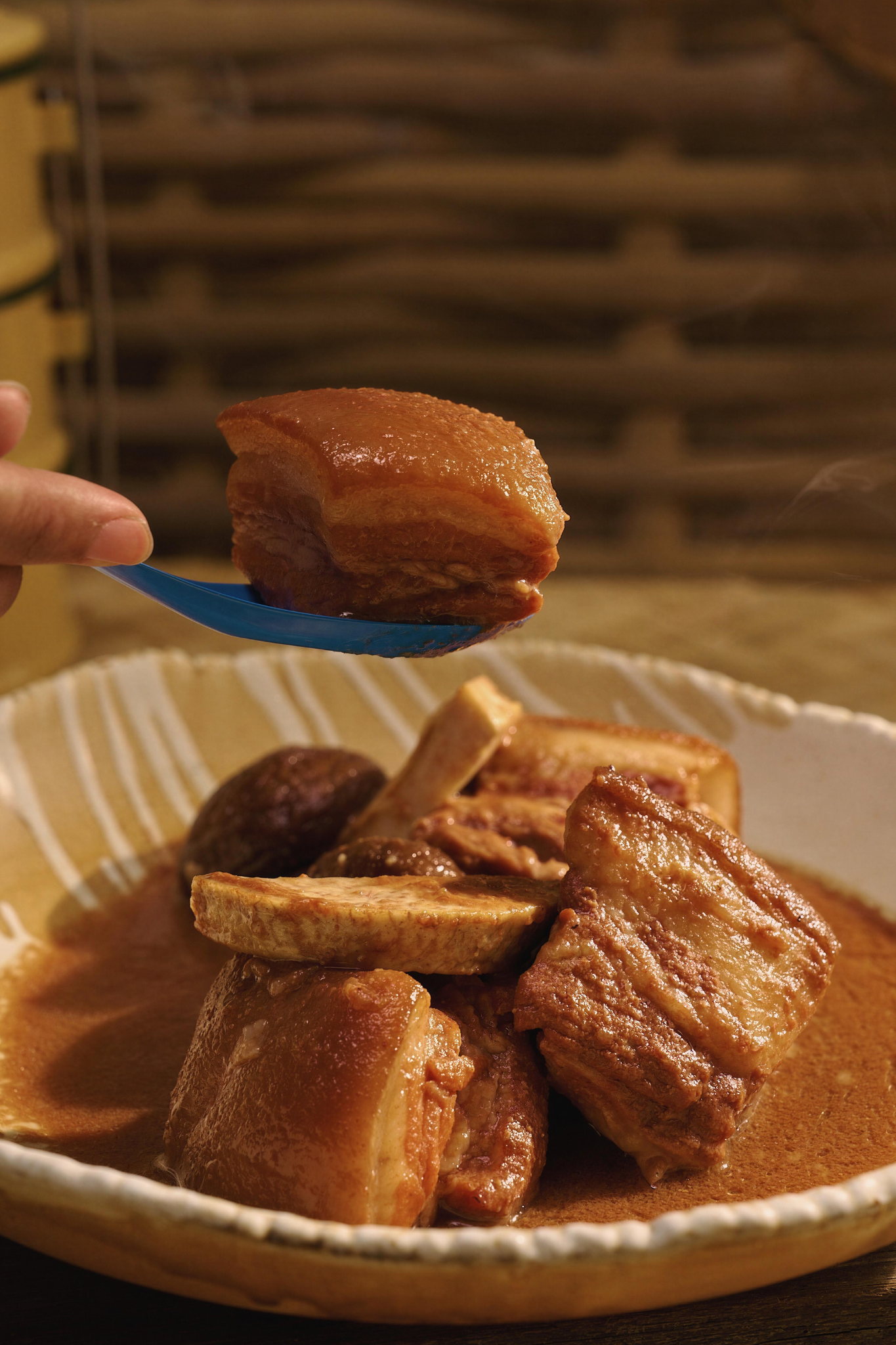
เกาหยุก
Trang-style slow braised pork belly layered with taro, red fermented bean curd and five-spice, reviving a rare taste from the chef’s hometown family banquets.
เราใช้ถามพ่อแม่ ญาติพี่น้อง เพื่อนข้างบ้าน คนที่เพิ่งเลิกงาน หรือใครสักคนที่เพิ่งเดินสวนกัน บางครั้งเราก็ถามคนที่เพิ่งพบหน้า และหากคำตอบคือ ‘ยัง’ บนโต๊ะก็มักจะมีจานเพิ่มอีกใบ ช้อนเพิ่มอีกคัน และที่ว่างสำหรับอีกหนึ่งคนเสมอ
คำถามสั้นๆ นี้ไม่ได้สื่อถึงความหมายที่ตรงตัวเพียงอย่างเดียว แต่ยังแฝงไปด้วยความห่วงใย ความมีน้ำใจ สร้างความรู้สึกว่ายังมีใครสักคนคอยห่วงใยเราอยู่
บ้านทะเลจึงถูกสร้างมาจากคำถามธรรมดาๆนี้
มาที่บ้านของเรา แล้วมานั่งกินข้าวด้วยกัน
ให้เราได้แบ่งปันอาหารที่เราเติบโตมา ด้วยสูตรที่คนเฒ่าคนแก่ครูพักลักจำกันมาจากรุ่นสู่รุ่น รสชาติจากครัวภูเก็ต จานเด็ดจากเมืองตรัง ของดังท้องทุ่งอีสาน สูตรเตาถ่านจากป่าเมืองเหนือ หรือกระทั่งอาหารคุ้นลิ้นประจำถิ่นภาคกลาง
บางรสชาติอาจคุ้นเคย บางรสชาติอาจทำให้ประหลาดใจ และบางจานอาจต้องมีเรื่องเล่าเล็กๆ ก่อนจะได้ลองชิม
เพราะที่นี่ อาหารไม่ได้มีไว้เพียงเพื่อให้อิ่มท้อง แต่ถูกปรุงขึ้นเพื่อแบ่งปันและหยิบยื่นให้กันด้วยความตั้งใจ
แกงที่ปู่ย่าตายายเคยทำโดยไม่ต้องชั่งตวง น้ำพริกที่แม่ตำหลังกลับจากตลาด และกลิ่นของถ่าน สมุนไพร ข้าว พริก และกะทิ ที่ครั้งหนึ่งเคยเรียกทุกคนให้กลับมานั่งพร้อมหน้ากันรอบโต๊ะอาหาร
วันนี้ รสชาติเหล่านี้หลายอย่างกำลังค่อย ๆ เลือนหายไปจากแผนที่อาหารไทย ไม่ใช่เพราะมันไม่มีคุณค่า แต่เพราะมีคนน้อยลงที่ยังลงมือทำ จดจำชื่อ หรือส่งต่อวิธีปรุงให้คนรุ่นถัดไป
แต่เราทำอาหารเพื่อจดจำ
เรานำสูตรอาหารจากแต่ละภูมิภาค จากชุมชนชายป่า หมู่บ้าน และโต๊ะอาหารเก่าแก่ของครอบครัวกลับมาปรุงอีกครั้ง เพื่อให้แม้แต่คนที่ไม่เคยรู้จักรสชาติเหล่านี้มาก่อน ได้มานั่งร่วมโต๊ะ ลองชิม และทำความรู้จักไปพร้อมกับเรา
เราไม่ลดทอนรสชาติ เพียงเพื่อให้เข้าใจง่ายขึ้น
เพราะนี่คือวิธีที่เราช่วยกันรักษารสชาติที่กำลังเลือนหายให้คงอยู่ ด้วยการลงมือปรุง และส่งต่อเรื่องราวของอาหารจากคนหนึ่งไปสู่อีกคนหนึ่งผ่านโต๊ะเดียวกัน
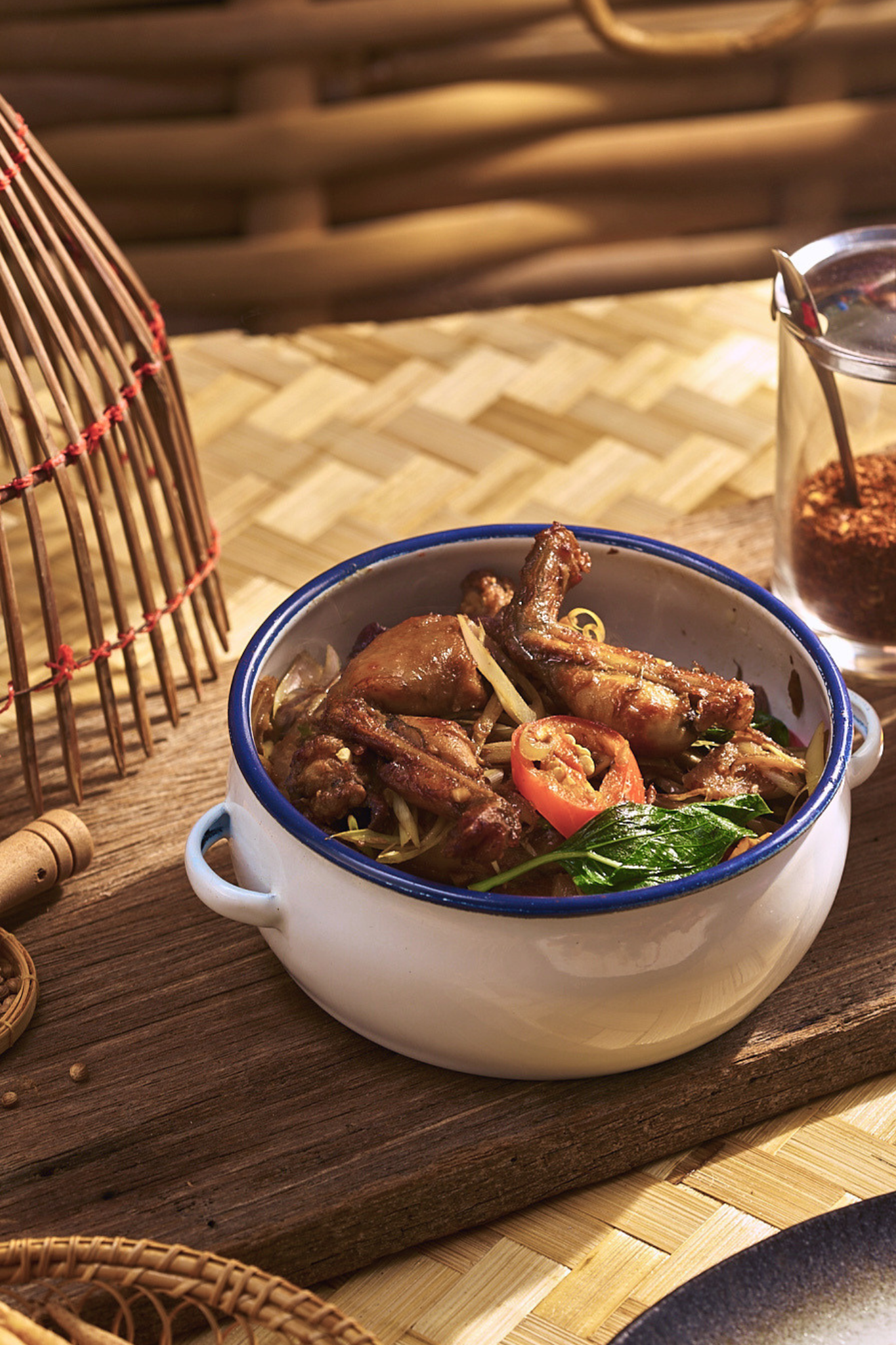
เกาหยุก
Trang-style slow braised pork belly layered with taro, red fermented bean curd and five-spice, reviving a rare taste from the chef’s hometown family banquets.
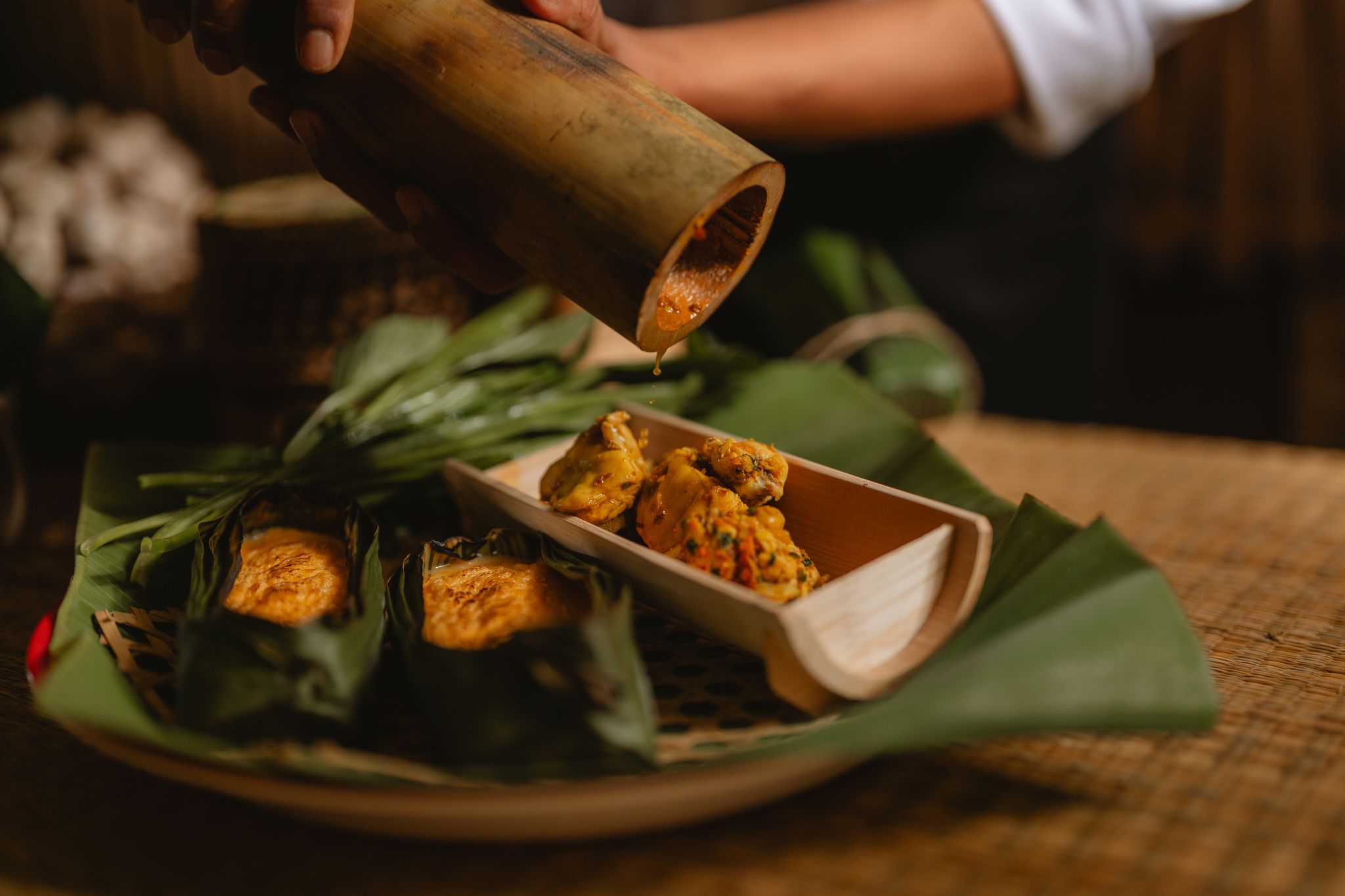
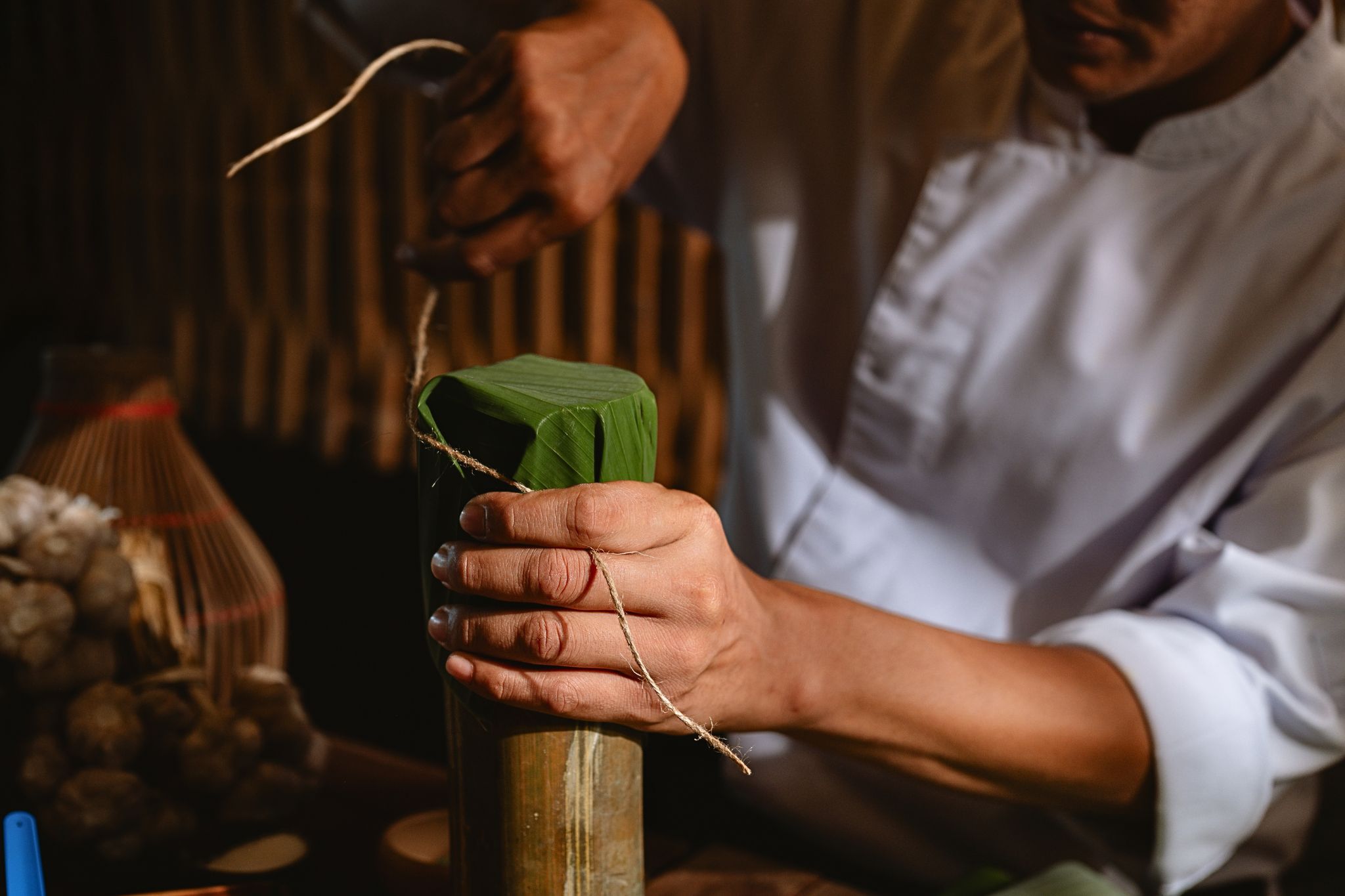
หลามไก่-ไข่ป่าม
Bamboo-roasted Chicken with grilled beaten egg. A revived lost taste of Phitsanulok’s forest edge campfire cooking.
ขากบผัดฉ่า
Deep fried frog legs with Phad Cha paste, fingerroot and wild herbs. An invitation to brave a bite you may never have tried before.
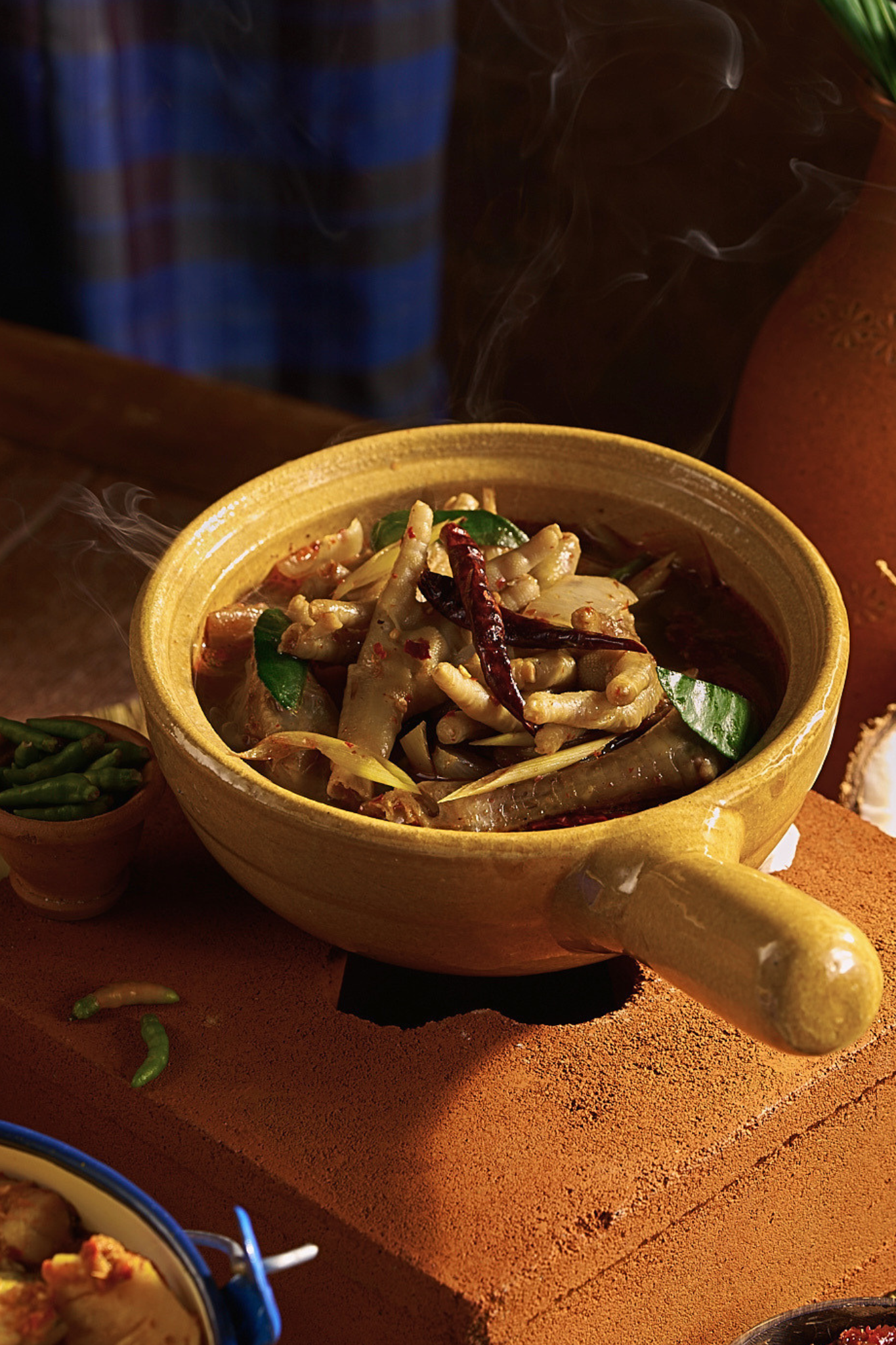
ต้มแซ่มตีนไก่
Isan-style Spicy Chicken Feet Soup. The late-night pots that once comforted travelers at roadside stalls along Thailand’s highway.
แกงส้มปลากระพงสับปะรดภูเก็ต
Line-caught sea bass fillets and Phuket pineapple slipped into fiercely tangy, unapologetically spicy southern sour curry echoing the pots that sit ready on stoves in homes across the Andaman coast.
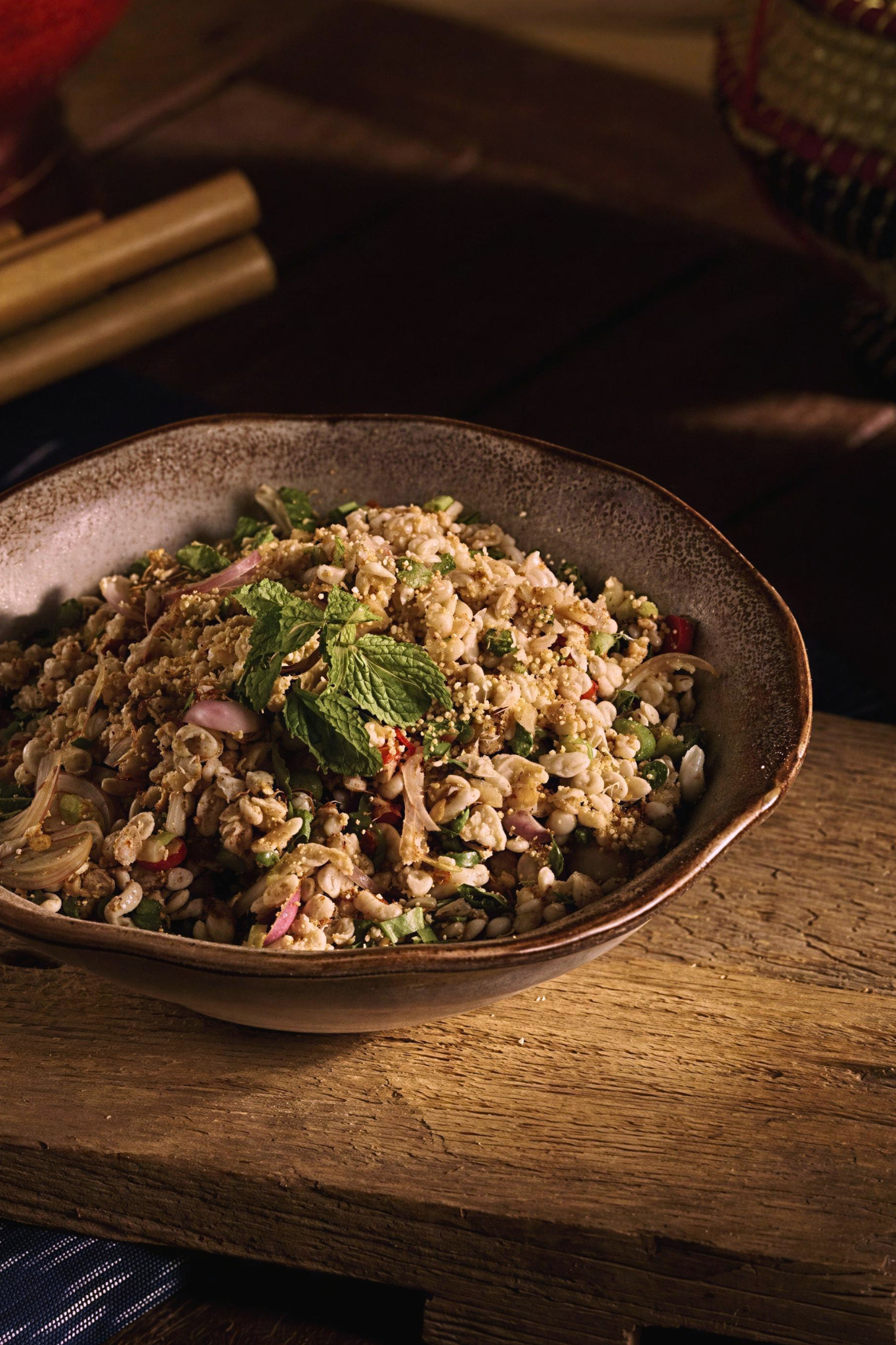
ก้อยไข่มดแดง
“Forest Caviar” Isan spicy salad. Delicate Red ant eggs from seasonal foraging tossed with lime, roasted rice and garden herbs, a fleeting taste of the forest canopy that appears only when the trees decide.
Each rice we serve carries a different part of the kingdom. The soft fragrance of Central Thai fields, the warm chew of Isan and Northern homes and the deep purple grain of Srisaket. Choose the rice that feels right for your meal.
“The earth already gives us flavour. My job is to listen.”
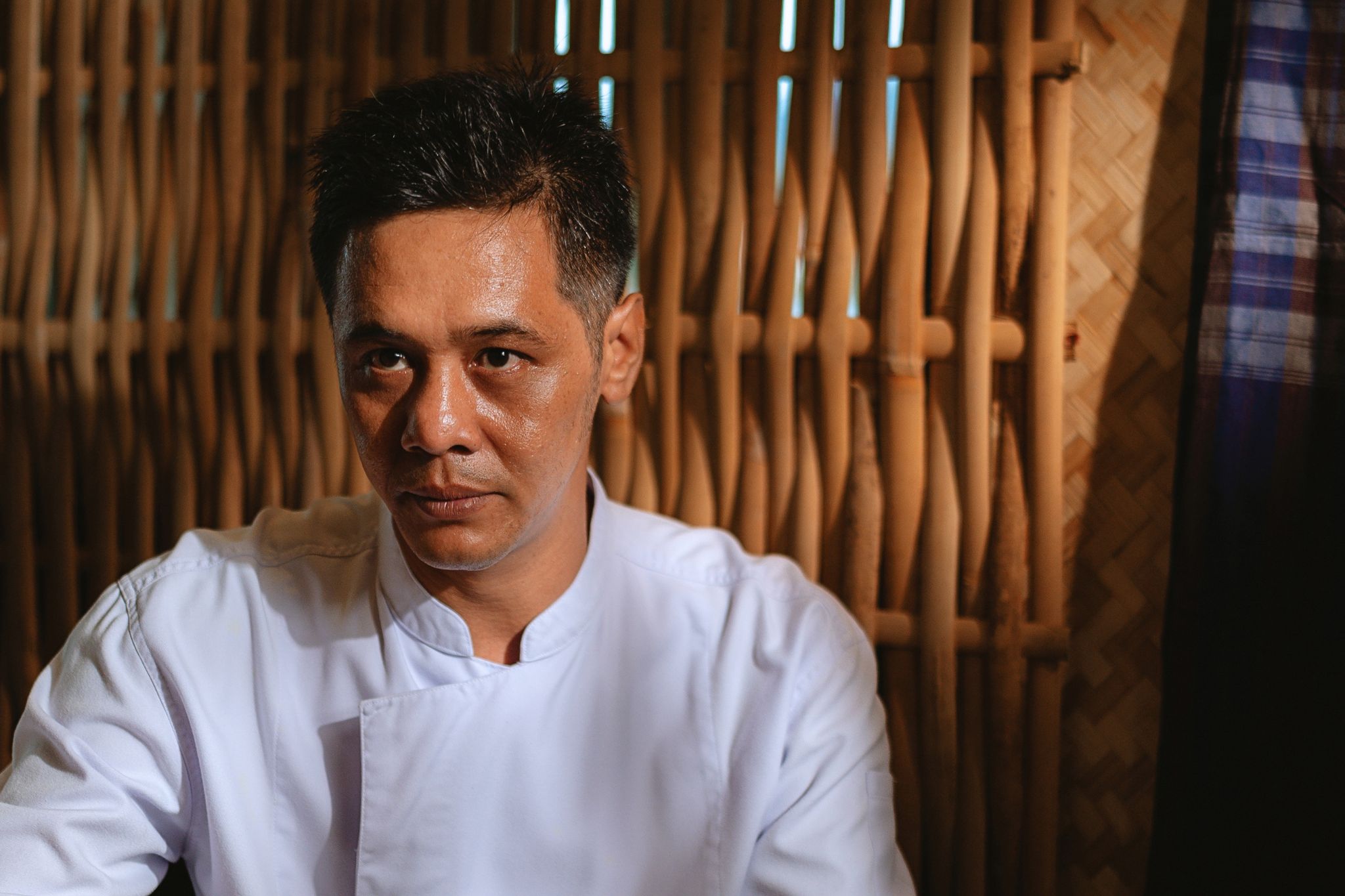
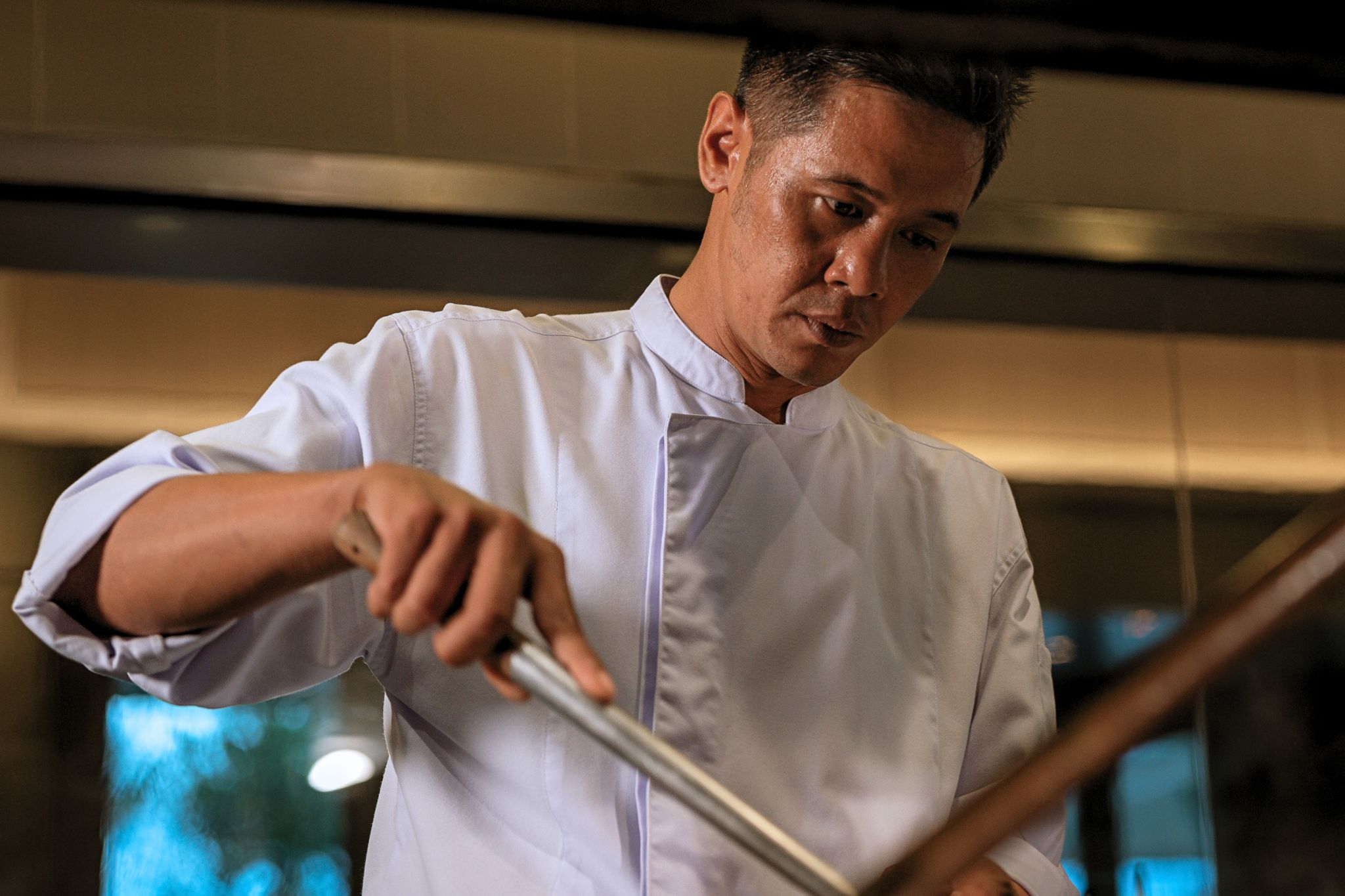
Chutiwat does not speak much. Most days, he spends his time quietly in the kitchen, close to the fire, the herbs, the mortar and the ingredients in front of him. He is not the kind of chef who explains every thought or fills the room with words. But every dish that leaves his hands speaks clearly.
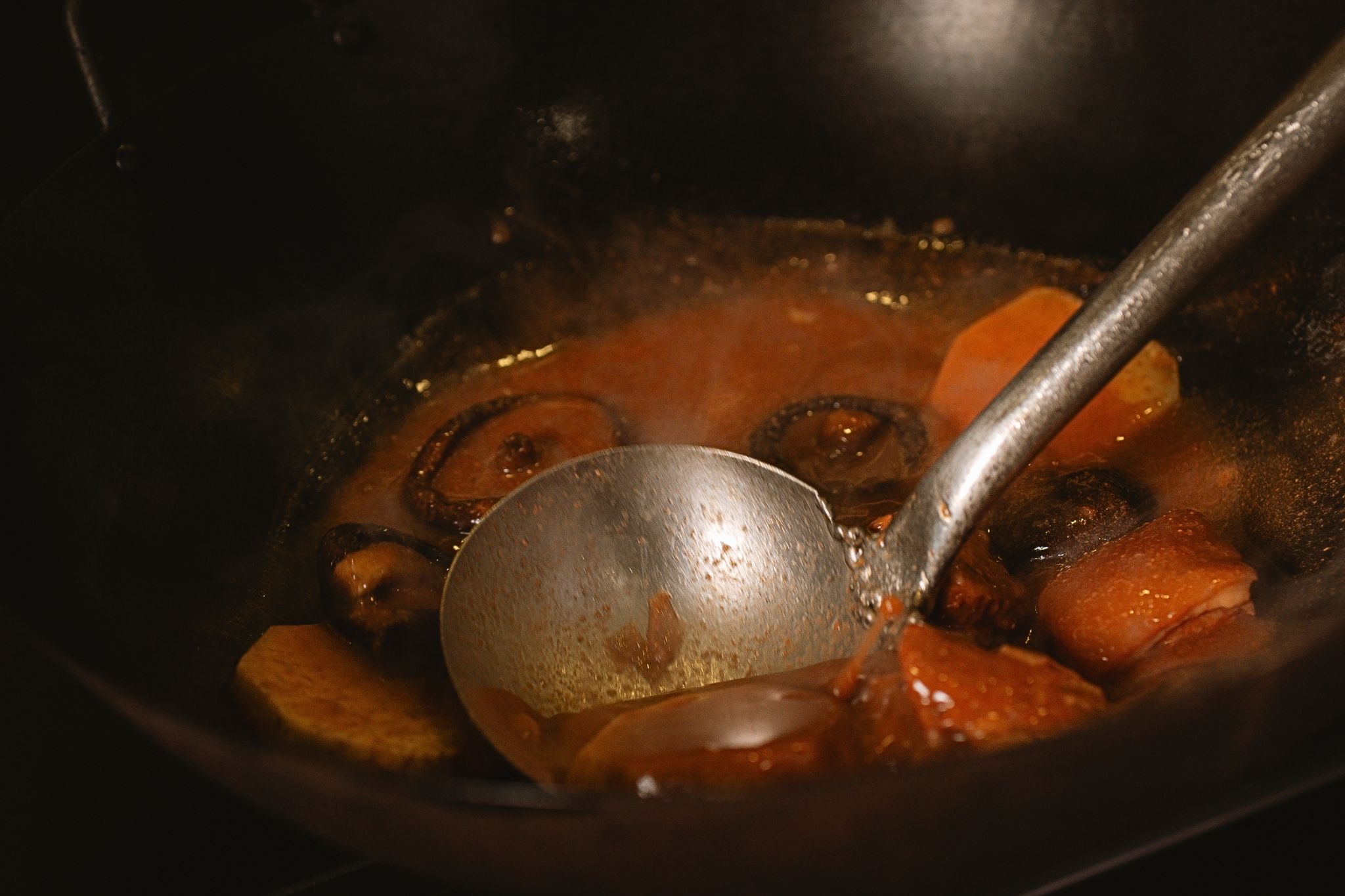
Born in Trang, a small province in the southern part of Thailand, he carries the taste of his hometown with him. You can feel it in his Kao Yuk, a dish that takes time, patience and a deep respect for how it should taste. Reminding you a large pot when the house is holding a ceremony. The taste of food cooked by grandparents, aunties and neighbours when everyone comes together to help.
To understand that feeling, he believes you cannot stand outside and only observe. You have to step inside the house, eat as he eats, touch as he touches and stay close enough to understand why the taste became that way.
The Keeper is not a title earned through education, certificates or awards. Visitors do not measure him by what is written on paper or a trophy.
Instead, it’s from the way he keeps the original recipes that are slowly fading from Thai kitchens. The bold tastes. The unrecognized tastes. He does not soften a dish only to please someone. If a flavour is sharp, deep, bitter, herbal, fermented or unfamiliar, he believes there is a reason it was born that way.
They taste his food.
They pause.
They remember.
For Chutiwat, that is the highest achievement. To cook something honest enough that people can feel it, carry it and still remember the taste long after they have left the house.
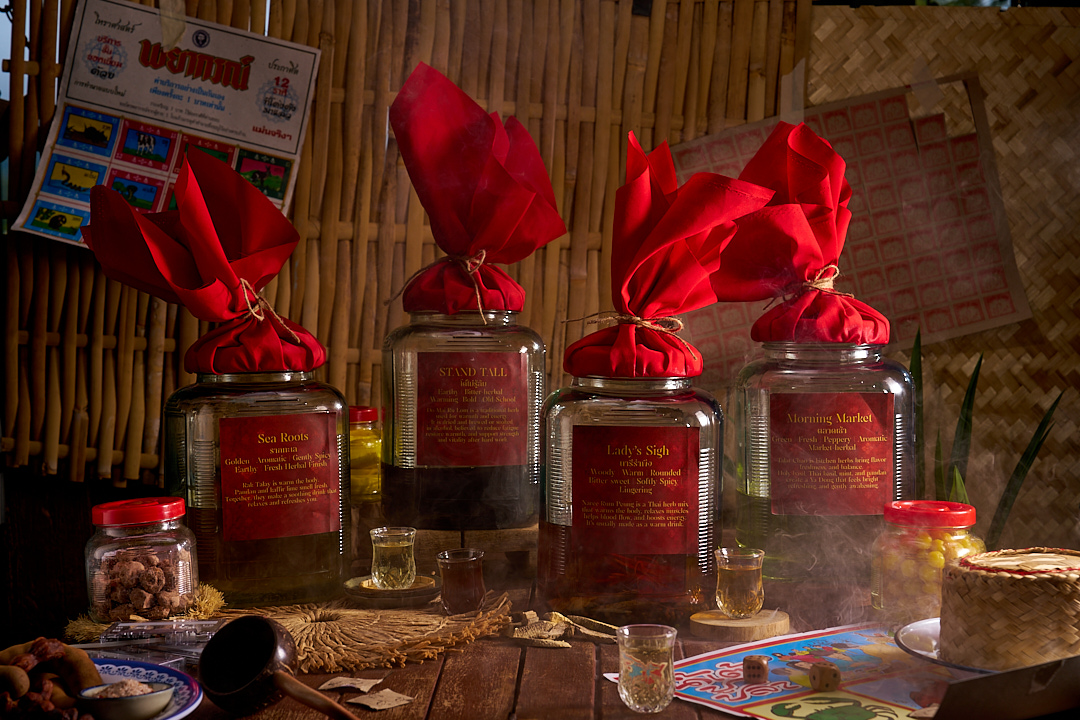
Some drinks come from the garden. Some from the market. Some from old jars.
A fruit from garden. Herbs from fresh markets. Tea from the northern hills. Mineral water from Sai Yok. Coffee roasted by Thai hands. Roots, bark and spices kept in old herbal jars.
Some pours are playful, like Papaya Pok Pok, built from the rhythm of a Thai mortar. Some carry Phuket’s memory, like The Heroines and Ya Nat. Some sit quietly in the old way, like our Ya Dong Library, where herbs, roots and spices are steeped not as medicine, but as memory.
Choose it neat, lengthened with soda or tasted slowly as a small journey from jar to jar.
Before bottles had labels and bars had menus, Thai homes had jars. Ya Dong belongs to the folk wisdom of everyday Thailand. Each recipe follows the character of its ingredients, with traditional properties passed from hand to hand, house to house, generation to generation. Some are earthy and bitter. Some are fragrant and fiery. Some make you sit up a little straighter. Today, these old herbal jars are not so easy to find. We bring them back into the house. Served neat, lifted with soda or tasted slowly as a set, each pour is a small discovery from Thai spirit root.
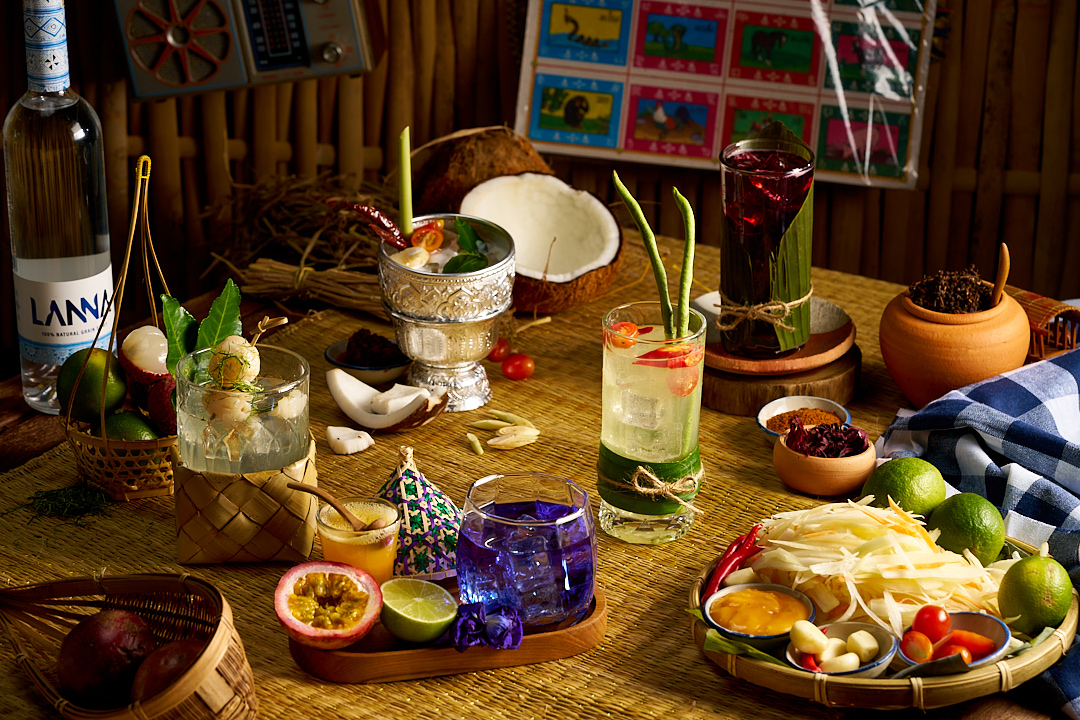
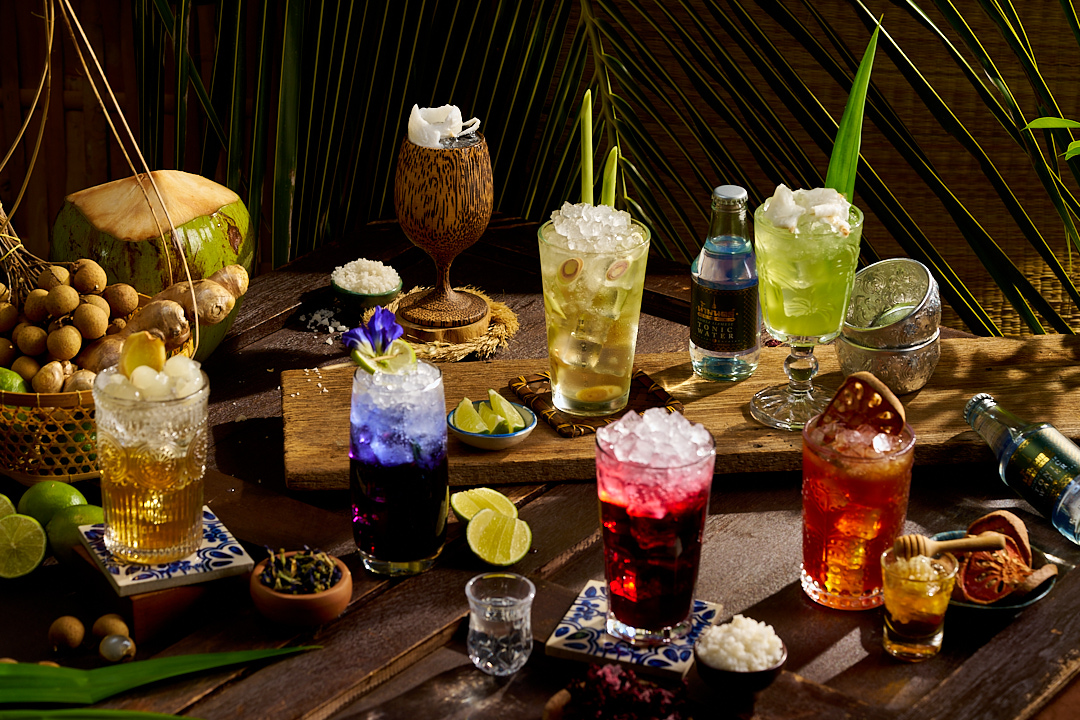
Some cocktails begin with a spirit. Ours begin with a place. A local market, home garden, temple fair, northern ceremony or southern word. Some drinks are bright and graceful. Some are sour enough to wake the appetite. Some change colour at the table. Some carry the sound of a mortar, the heat of green chilli or the luck of Phuket pineapple. Choose one that feels familiar or ask us for one you have not met yet.
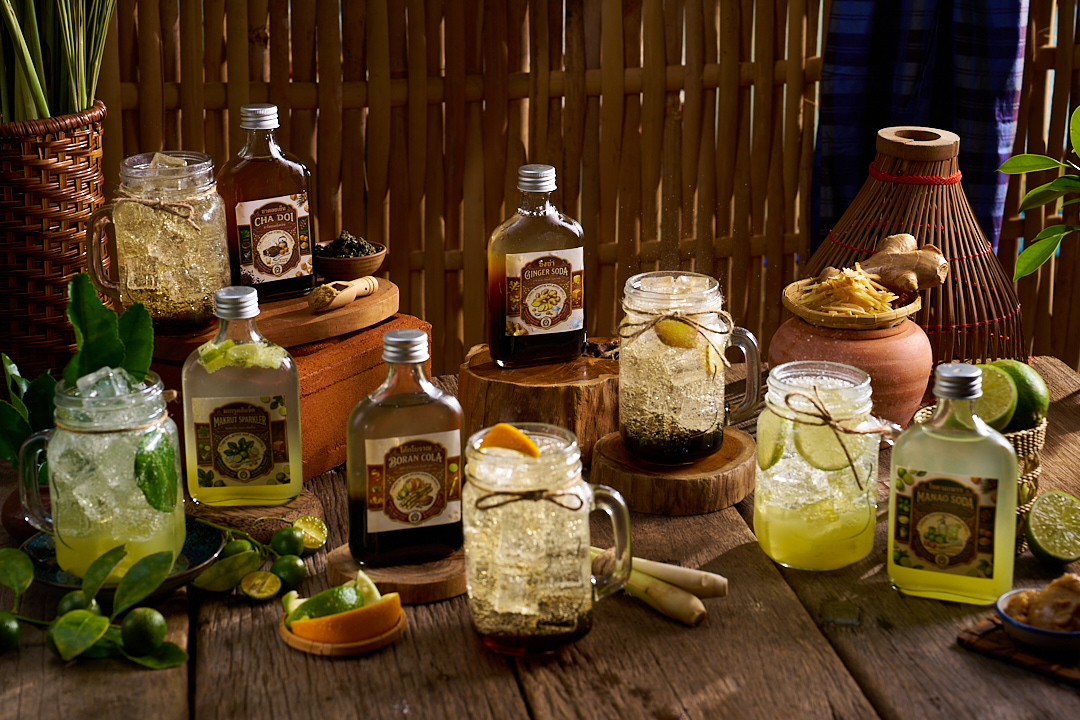
Not every soda needs to come from a factory. Here, we make ours from things Thai people already know well - fresh lime, ginger, makrut leaf, northern tea, palm sugar, sea salt and the easy flavours we grew up drinking at home, at markets, by the roadside or after a spicy meal. They are light, bright and made to sit beside bold Thai food. Some are familiar, like Manao Soda. Some feel old-school, like Boran Cola. Some wake the mouth with herbs, citrus or spice. All are poured to refresh, not to cover the food but to help you enjoy the next bite.
Alcohol-free botanical drinks from the pantry. A thoughtful temperance programme built from Thai flowers, herbs, fruit, tea, honey, coconut, sea salt and citrus. Steeped, cold-brewed, squeezed or lifted with bubbles, these drinks bring forward natural aroma, texture and balance. Sweetness is kept gentle, allowing tart roselle, roasted Bael, green pandan, bright lime, young coconut and local herbs to speak clearly. Not mocktails, but considered pours, refreshing and made with the same care as the food, whether for pairing, pausing or simply drinking well.
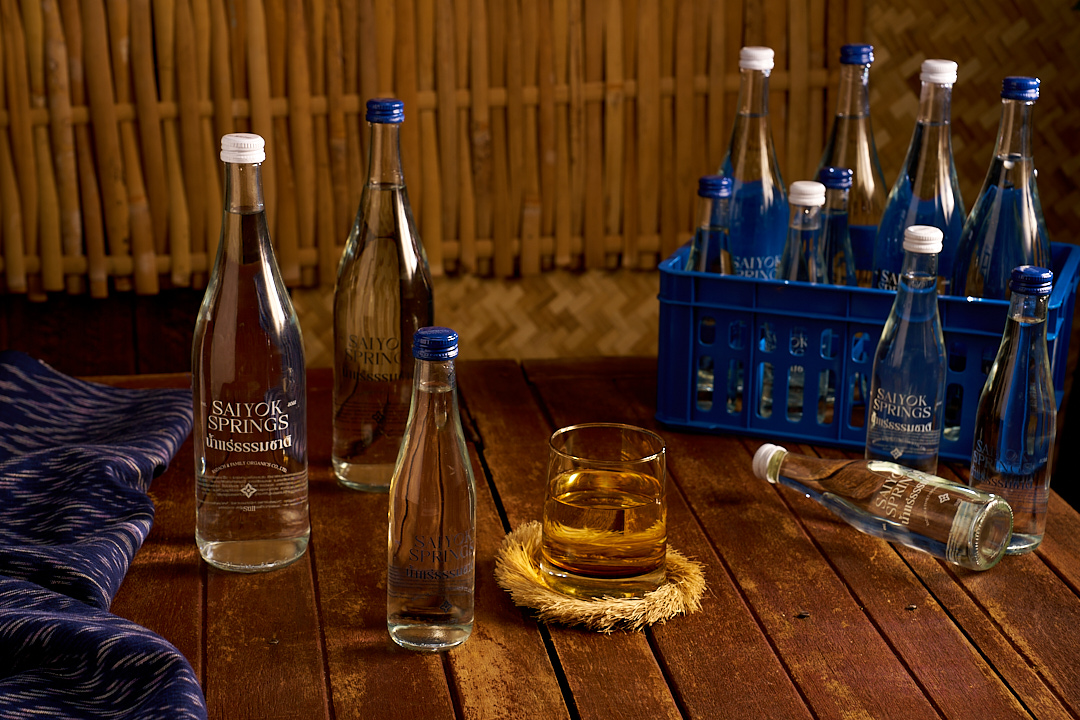
Deep in the Sai Yok Valley, between forest, river and limestone mountains, Sai Yok Springs draws its mineral water from natural springs and deep artesian sources near Sai Yok National Park. As the water moves slowly through layers of limestone, it naturally gathers minerals that give it a clean, crisp and softly mineral character. Bottled in reusable glass through a closed-loop system, each bottle is collected, cleaned and refilled, allowing the source to be respected long after the water reaches the table. Still water is smooth and balanced, made to sit quietly beside bold Thai flavours. Sparkling water brings fine bubbles and a clean mineral finish, helping refresh the palate between chilli, herbs, smoke, fermentation and coconut richness.
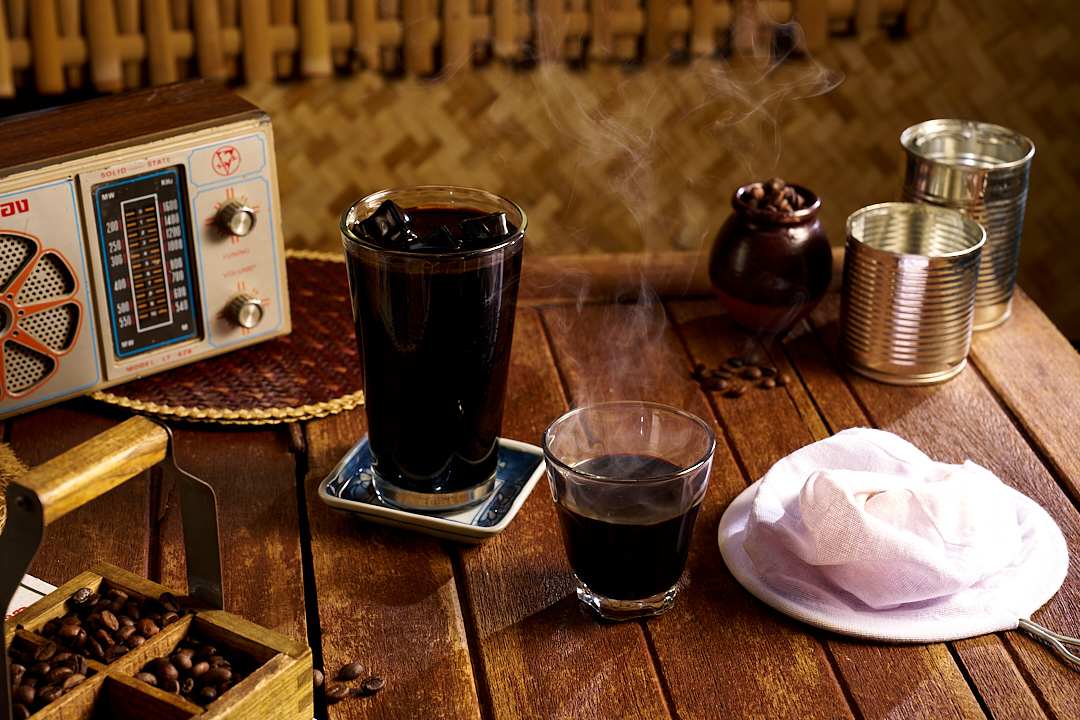
Our coffee is a small way to keep the value of Thai coffee close to the people who grow, pick, sort and roast it. We serve medium-roasted Thai Arabica from Doi Tung and Doi Chang, where coffee is grown in the cool northern highlands, alongside coffee roasted in Phuket by Hock Hoe Lee, one of the island’s long-standing local roasters. The cup is not made to feel rare or distant. It is made to feel honest: grown by Thai hands, roasted with care, and served in a way that supports the growers, roasters and everyday coffee culture that continue to shape Thailand.
Thai
Casual
มื้อกลางวัน 12:00 – 15:00 น. มื้อค่ำ 18:00 - 22:30 น. ครัวปิดเวลา 22:00 น.
+66 76 358 500
.png)
.png)
.jpg)
.png)